Featured
Table of Contents
There are 7 phases of pain in the grieving process. If a person has actually a liked one or buddy who is experiencing sorrow, they can aid them cope in various methods.
In addition, regional and nationwide support system may be an indispensable resource of comfort and companionship to those that have actually experienced a loss. Review on to find out about the stages of the grieving process, kinds of despair, exactly how to use support, and more. Despair is an all-natural experience that aids an individual process the pain of loss and step towards recovery.
Emotional Capacity: Widening Your Range Through Therapy
, Dr. Elisabeth Kubler-Ross established that there are five phases of despair: denialangerbargainingdepressionacceptanceHowever,, sorrow specialist David Kressler has actually talked about additional stages of grief. People frequently refer to seven phases of grief. They consist of the following: This phase may entail numbed disbelief in feedback to news of a loss. It may serve as an emotional barrier to avoid someone from feeling bewildered.
This phase may come at any factor within the mourning procedure. They might additionally take out from everyday activities and points they as soon as appreciated.
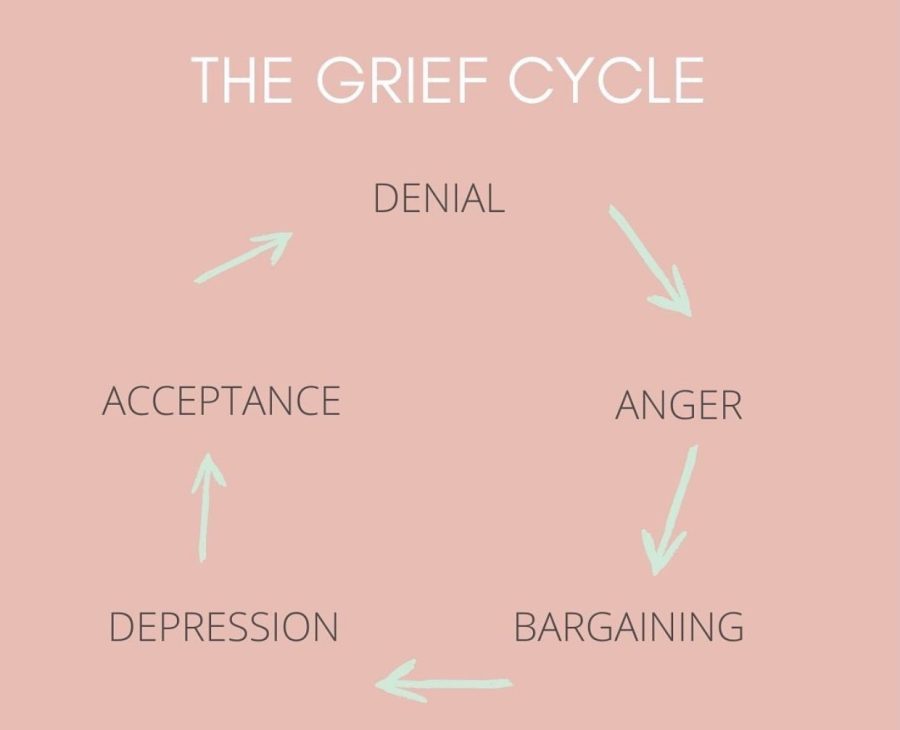
Examining is the procedure of looking for options that use a method of dealing with loss. Somebody might drift in and out of various other grieving phases during this moment. This is the last of the grieving procedure. Acceptance does not indicate people feel OK concerning a loss. Rather, it indicates they realize the loss is their new fact.
Dissociation in Achievement-Oriented Professionals
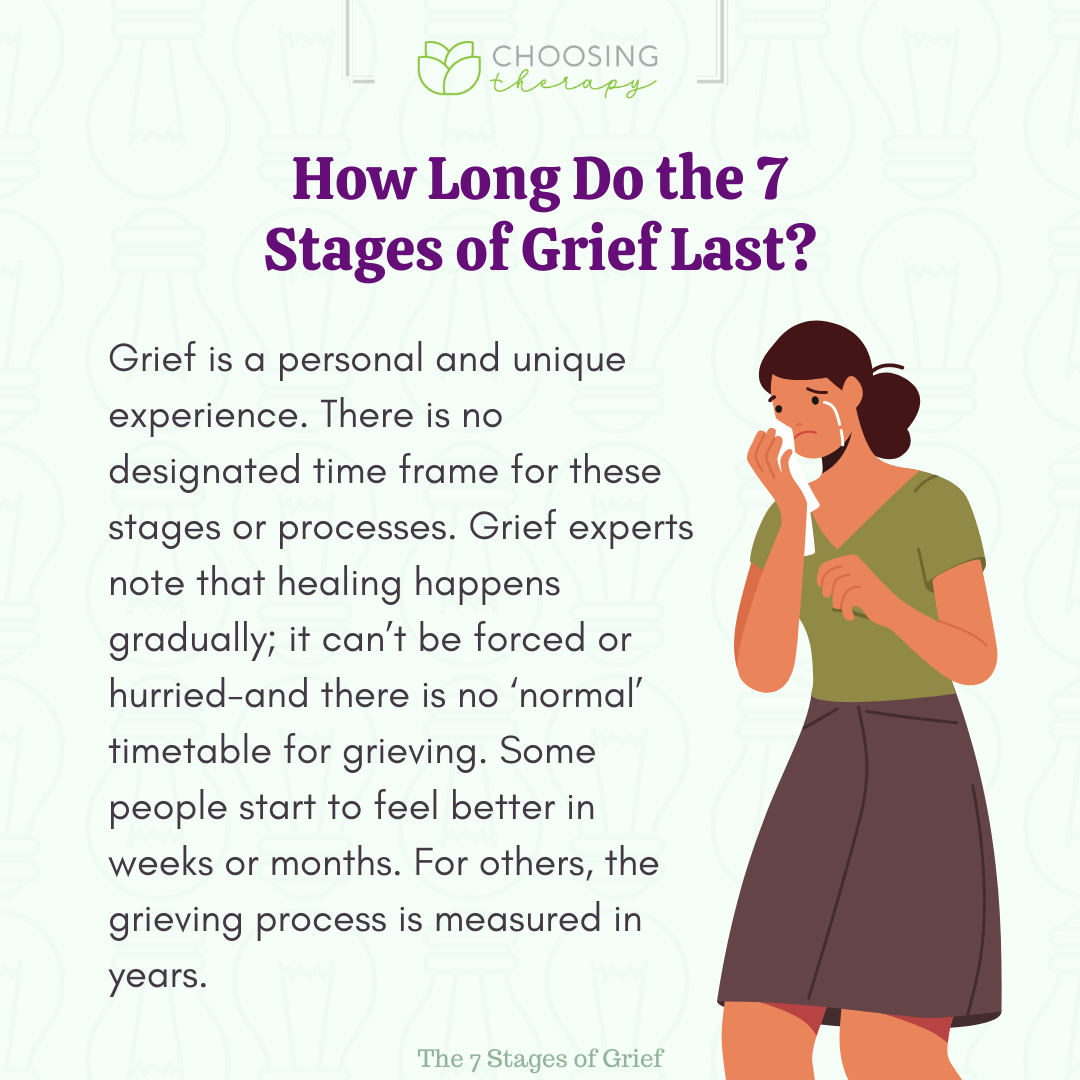
This stage may entail reorganizing duties and developing new partnerships. The mourning process has no set duration, and individuals relocate with each stage at varying prices. Signs of pain mainly solve after. However, this timeline is different for every person. Furthermore, instead than experiencing a steady decline in grief, an individual's feelings often tend to rise and fall gradually and can be found in waves.
It includes many of the very same feelings a person experiences after a loss. Awaiting pain is more probable in individuals with reliant relationships or restricted social support."Regular" despair is a progressive progression towards approval. Although individuals experience challenging emotions, they retain the capacity to proceed day-to-day activities. They might have emotional distress, such as crying, low mood, and hoping.
Connection in the Healing Journey for Depression Specialists
This is a pattern where signs happen a lot later on than is typical. This is a pattern where signs continue over an extended duration. This is a pattern of exceptionally intense symptoms. This is a kind of difficult despair that entails extreme grief after one year have passed or 6 months for children and teenagers.
The Diagnostic and Analytical Guidebook of Mental Disorders, fifth edition, text alteration (DSM-5-TR) acknowledges long term sorrow as an independent problem. Support teams may provide convenience, friendship, and recognition. They can likewise function as a source of sensible information. An individual can discover teams in their area via recreation center, hospices, churches, and medical facilities.
Every person experiences despair in a different way. With this, your pain signs and symptoms are most intense for 6 months after a loss. In this type of sorrow, you experience loss before it takes place.
Autonomic Nervous System Healing for Depression Specialists in San Francisco
Or maybe you're so active with practical matters that you don't have time to feel pain till a later point. This is when you do not reveal any outside signs of grieving. You may be functioning via complex sensations inside. This occurs when you're refining numerous losses at when.
Cumulative pain makes the mourning process much longer and extra complex. This kind of pain happens when you have prolonged difficulties after a loss, making that make it tough to get on with day-to-day life.
Known as complicated sorrow, it's really similar to traumatic despair. Your grief does not lessen over time.

Grief is the experience of coping with loss. It's connected with the fatality of a liked one, however you can really feel pain due to any type of adjustment that tests your identity or life routines. You might regret: The death of your pal, member of the family, partner, or pet. Completion of your marriage or a relationship.
Why Expert Support for High-Achievers Facilitates Healing in San Francisco
Loss of your health. Loss of the life you had before an impairment or disease. Your very own loss of life as you prepare for death.
Ideas such as "if just" and "what if" are common at this stage. Unhappiness sets in as you start to comprehend the loss and its result on your life.
You likewise may have contrasting or perplexing emotions, such as: Really feeling unfortunate that a loved one died, yet also a feeling of relief that they're not in pain. Missing your partner after divorce, yet also rejoicing about a brand-new beginning. Having shame for rejoicing, as you no longer need to care for a passing away liked one.

Table of Contents
Latest Posts
Discovering the Therapeutic Value of Depth Psychology in Chicago
Initial Consultation for Psychodynamic Therapy for Child therapy
Blending Various Therapeutic Tools for Trauma Recovery in Wheat Ridge
More
Latest Posts
Discovering the Therapeutic Value of Depth Psychology in Chicago
Initial Consultation for Psychodynamic Therapy for Child therapy
Blending Various Therapeutic Tools for Trauma Recovery in Wheat Ridge