Featured
Table of Contents
New! Transfer your notes to EHR with a solitary click. Say goodbye to copy-pasting. fixing conflicts. developing limits. dealing with concerns such as dependency, misuse, and more. improving connections. Different therapeutic methods and techniques can be tailored to the details requirements and characteristics of the household. Families may seek treatment for numerous reasons, including: difficulties connecting properly may result in misconceptions, problems, or consistent debates.
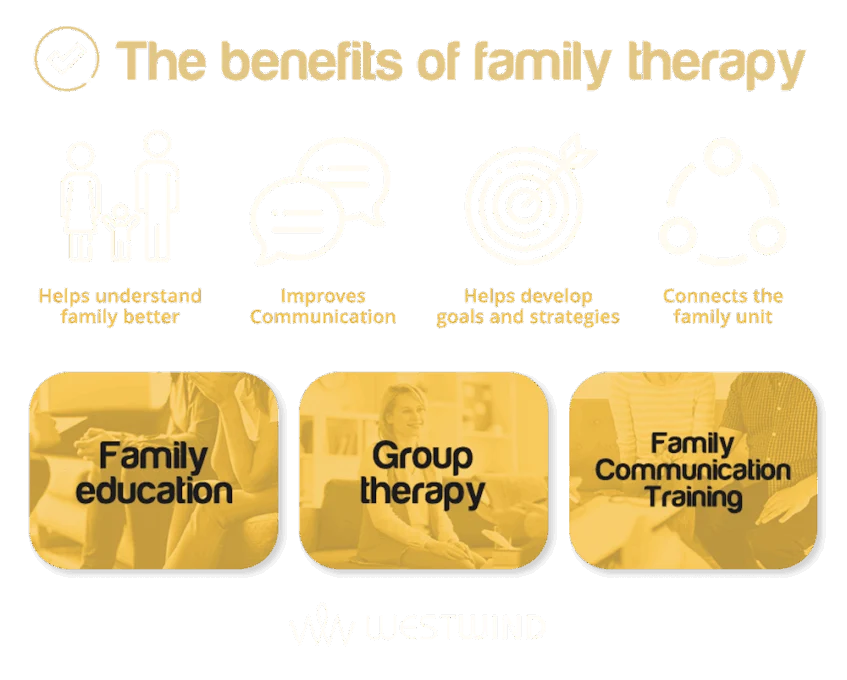
chronic disease or disability may need coping approaches, function modifications, and stress and anxiety management. resolving the effects of previous injury or abuse within the household system usually needs expert intervention to heal and reconstruct count on. enhance partnerships, improve communication abilities, and cultivate a healthier household setting. Therapy provides a risk-free area for family members to explore their characteristics, boost understanding, create healthier patterns, and discover reliable approaches to take care of difficulties.

The performance of a family members treatment session depends on numerous crucial concepts and practices that grow a setting helpful to meaningful interaction and development. Foundational in family members treatment, this preliminary step entails developing a risk-free and non-judgmental room where each family participant really feels comfortable sharing themselves.
Path of Transformation
Show real understanding and empathy towards each relative's experiences and emotions. Establish an environment where everyone feels heard, respected, and verified, regardless of varying viewpoints or problems. Assure household participants their privacy is valued and explain the definition of discretion. When a trustworthy and respectful atmosphere is completely developed, household participants are a lot more likely to open, share their ideas and sensations, and proactively take part in the therapeutic procedure.
Concentrate on: Advertise an atmosphere where member of the family diligently listen without disrupting or evaluating each other. Instruct relative to repeat what they have actually heard, ensuring a clear understanding of each other's viewpoints. Acknowledge and verify every person's feelings, even if they differ from one an additional. Energetic listening fosters empathy, boosts understanding, and reduces misunderstandings promoting healthier communication within the family.
Research-Supported Interventions for PTSD Treatment
Make certain the objectives are straightened with the household's requirements. Clear goals give direction and emphasis throughout therapy, assisting treatments and helping family participants track their progression.
This includes: Make sure all household members have the opportunity to share their thoughts, ideas, and feelings each session. Acknowledge and value each relative's input, highlighting the value of their point of view. Ensure that no person dominates the discussion and motivate quieter relative to speak up. Motivating participation guarantees that all voices are heard, promotes a feeling of possession in the healing process, and strengthens the concept that everyone's contributions support positive change.
If you make use of these methods, you will facilitate a more effective and impactful healing journey. The initial session acts as an intro to you and the restorative procedure. Comply with these actions. 1. Enable each member of the family to introduce themselves, sharing their factor for seeking therapy and their assumptions. Present yourself and offer a little bit of background.
Guiding Loved Ones Through Loss
Gather information concerning family characteristics, partnerships, and concerns. Identify strengths and obstacles within the family. Discuss the family members's goals.
Ask the grownups to complete and authorize any type of approval or launch forms, along with any type of other needed documentation. 10. Develop a structure that promotes reliable interaction, analytic, and progression towards restorative goals. Right here's a comprehensive malfunction of each stage. 1. To comprehend each household member's mood and issues, begin the session by permitting each participant to briefly share their existing ideas, feelings, and any updates.
3. Collaboratively develop the focus for the session and recognize pushing concerns that need conversation. This step ensures that everybody really feels heard which the session addresses relevant concerns. 4. 5. Recap objectives and assess the progression made to track the family members's progress and determine what needs to be addressed.
Why Pharmacological Support May Be Appropriate
5. Develop a risk-free environment where each member of the family really feels comfortable revealing themselves. Motivate considerate interaction and assistance participants comprehend each other's point of views. 6. 1. Testimonial the key insights, conversations, and verdicts gotten to during the session. This strengthens crucial takeaways and ensures everyone is on the same page. 2. 3.
Foster an environment where each family members member really feels risk-free, accepted, and appreciated regardless of their point of views or habits. Demonstrate real compassion by actively paying attention and confirming the feelings and experiences shared by each family members member.
Body Awareness and Stress Management
It can aid moms and dads and caregivers understand the reasons for troublesome actions and create methods to address it. Family members often encounter obstacles throughout significant life shifts such as divorce, loss, or moving. Family members treatment can supply support and assistance to help family members adapt to these changes and browse them with better ease.
This can have a favorable effect on the mental and psychological health of all family participants. Involving the family members in the therapy process develops a more encouraging environment for participants dealing with problems like clinical depression or dependency. By resolving and dealing with problems and disorder, family treatment can assist stop future troubles and promote much healthier relationships.
Focus on creating a strong restorative alliance with the household. Teaming up with the family to establish clear, particular, and achievable therapy goals that are lined up with the family members's problems and inspirations for seeking treatment. Make clear the duties of each family participant while discussing the restorative process and talking about the commitment needed for progress.

Latest Posts
Releasing from Calorie Counting
Healthy Separation When Addressing Cultural Obligations
Adapting Traditional Trauma Protocols for Neurodivergent Clients